What Does an Epidural Feel Like During Labor? A Step-by-Step Guide
If you’re pregnant and weighing your pain relief options, one of the most common questions is:
“What does an epidural actually feel like?”
You may have heard strong opinions in every direction—some people call it a lifesaver, others describe it as scary. The reality is far more balanced and grounded in real, physical sensations that unfold step by step.
This guide walks you through what an epidural does and what it feels like in the moment, so you can approach labor with clearer expectations and less fear of the unknown.
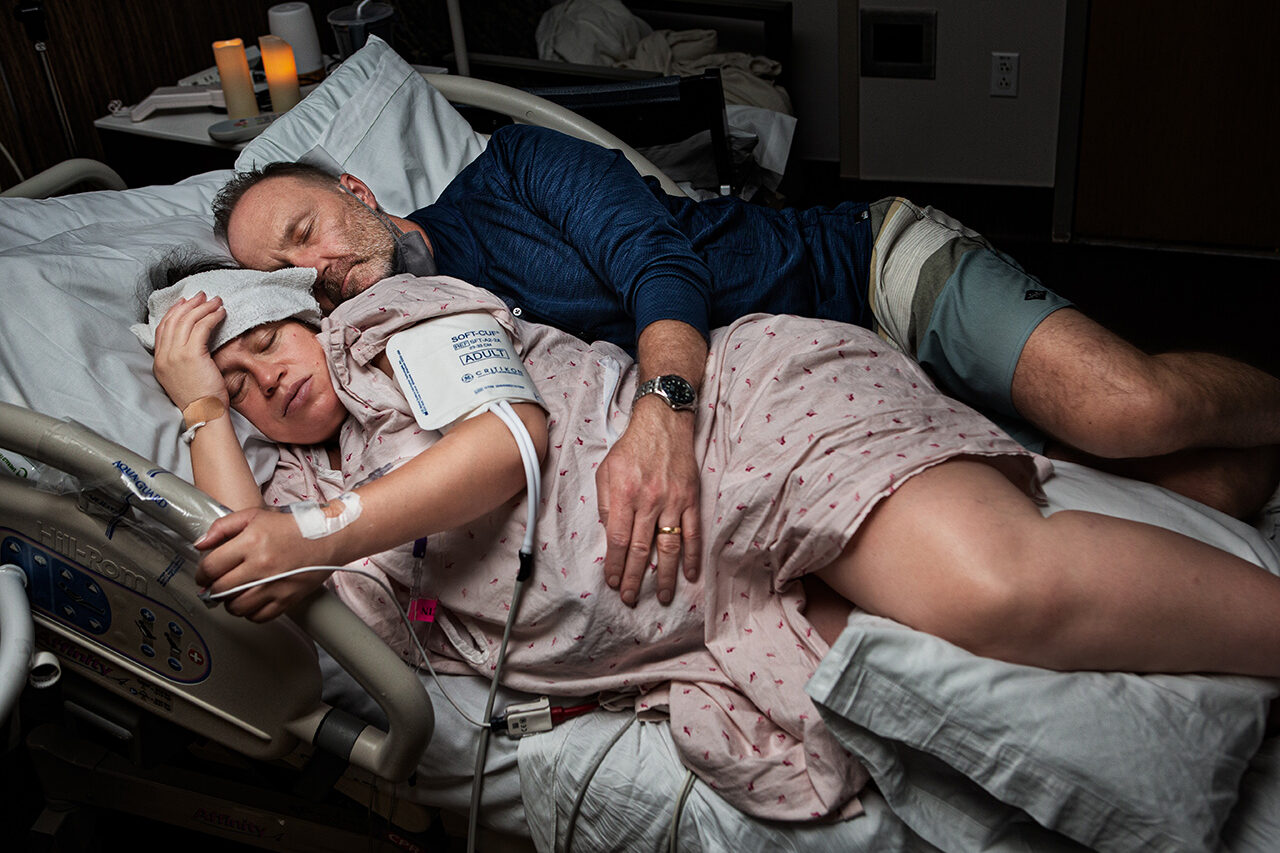
What an Epidural Does During Labor
An epidural is a form of regional anesthesia used to reduce pain during labor. Medication is delivered through a small catheter placed in your lower back, blocking pain signals from traveling from your uterus and birth canal to your brain.
You remain awake, alert, and present for your baby’s birth—but with significantly reduced pain.
Most people describe contractions shifting from sharp and overwhelming to strong pressure or tightening.

What It Feels Like to Get an Epidural: Step by Step
Getting Into Position
To place an epidural, you’ll be asked to sit up or lie on your side and curl your back outward. This position opens the spaces between your vertebrae so the anesthesiologist can place the catheter safely.
For many people, this is actually the most difficult part—not because of pain, but because you’re asked to stay still while experiencing contractions. Nurses and partners usually help support your body so you can hold the position safely.
The Numbing Injection
Before the epidural is placed, the area is numbed with a local anesthetic.
This typically feels like:
- a quick pinch
- followed by a brief burning or stinging sensation
The discomfort is intense but short-lived, lasting about 10–20 seconds.
The Epidural Placement
Once the area is numb, the epidural needle is used to place a thin, flexible catheter into the epidural space.
Most people report:
- pressure rather than sharp pain
- a deep pushing sensation in the lower back
Occasionally, you may feel a quick electric-like sensation down one leg. This is normal and happens when the needle briefly brushes a nerve. It’s startling, but it passes quickly.
Important to know: the needle does not stay in your back—only the soft catheter remains to deliver medication.
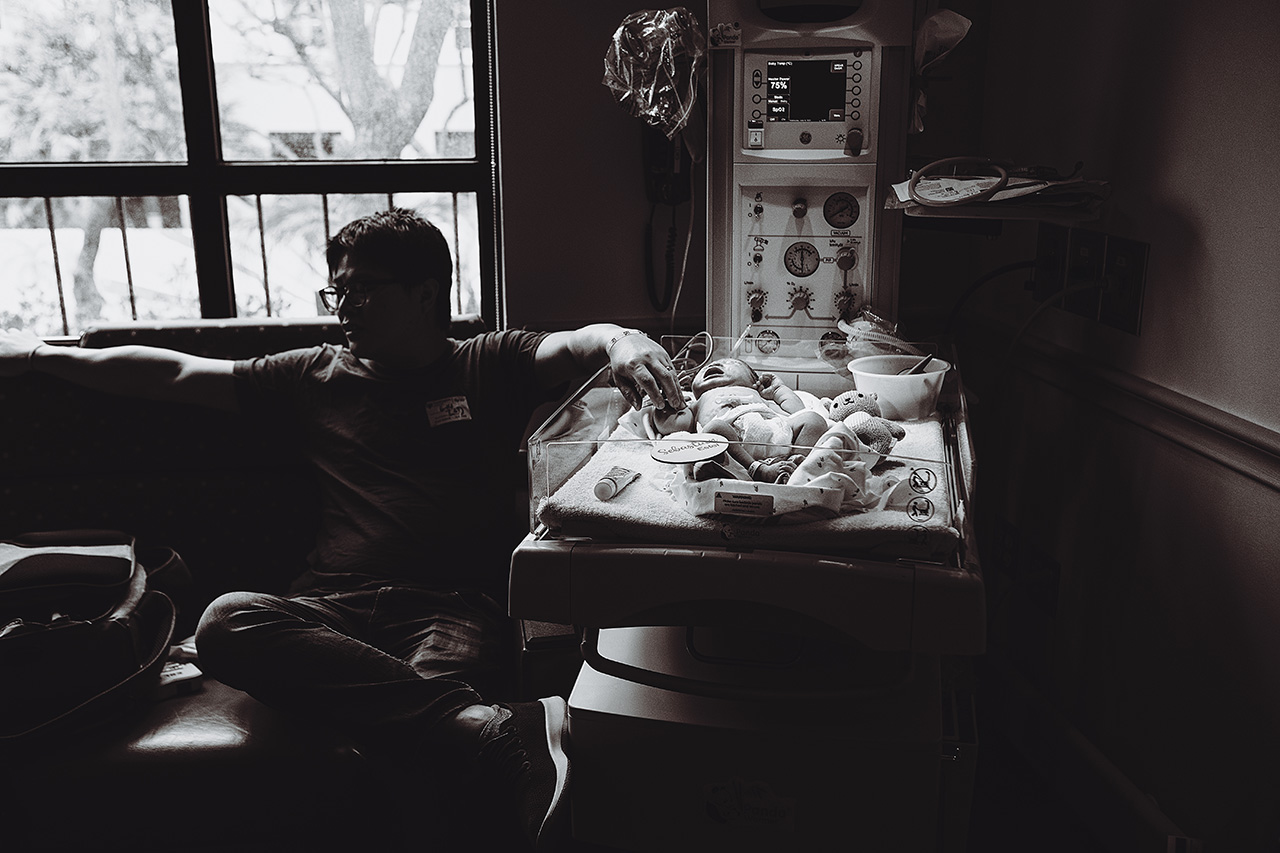
What the Epidural Feels Like Once It Starts Working
The First Signs of Relief
Within about 5–15 minutes, you’ll begin to feel a shift.
Many people notice:
- warmth spreading through the lower body
- a heavy, relaxed sensation in the legs
- contractions becoming pressure rather than pain
For someone who has been laboring intensely, this moment often brings a powerful emotional response—relief, tears, or even laughter.
As the Medication Fully Sets In
As the epidural takes full effect:
- your legs may feel numb, tingly, or heavy
- you’ll remain in bed for safety
- contractions are still present, but far more manageable
You’re still mentally present and aware of your body—you’re not sedated or asleep.

The Emotional Experience of Getting an Epidural
Pain relief in labor isn’t just physical—it can shift your entire emotional state.
After hours of tension and adrenaline, the sudden drop in pain can feel overwhelming. Some people cry from relief. Others finally rest or sleep. For many, it’s the first moment they feel they can breathe again.
This emotional release is normal and often overlooked when people talk about epidurals.

Benefits and Tradeoffs of Epidurals
Benefits
- Strong and reliable pain relief
- Ability to rest during long or exhausting labor
- Can make complex or medically necessary interventions more manageable
Possible Tradeoffs
- Limited mobility during labor
- Pushing phase may take longer
- Labor sometimes slows, increasing the chance of additional interventions
- Possible side effects such as itching, a drop in blood pressure, or headaches (rare)

Is Getting an Epidural Scary?
Many people fear the idea of a needle in their back, but the actual experience is usually described as:
brief sting → unusual pressure → noticeable relief
Knowing what to expect can transform the experience from something frightening into something predictable and manageable.

There Is No “Right” Choice in Labor
Some people plan for an epidural, some plan to avoid one, and many decide in the moment. All of these paths are valid.
What matters most is understanding your options so you can make decisions that feel informed, supported, and right for your body and your birth experience.