When it comes to labor and birth, one of the most common questions I hear is: “Can you explain what an epidural actually does?” Epidurals are widely used, especially in hospital births, and for many families they are an important and empowering part of the birth experience.
Before we dive into the details, I have to share some happy personal news.
I was thrilled beyond belief when my lovely client from 2024 called and said she will be having baby #2 in November of 2025. So exciting! She let me know she would be giving birth at Saddleback Medical Center again and using an epidural.
Her call was a wonderful reminder that when someone has a positive, supported birth experience, they often choose what worked for them again. Let’s talk about what an epidural is, how it works, and why many birthing parents choose this option.
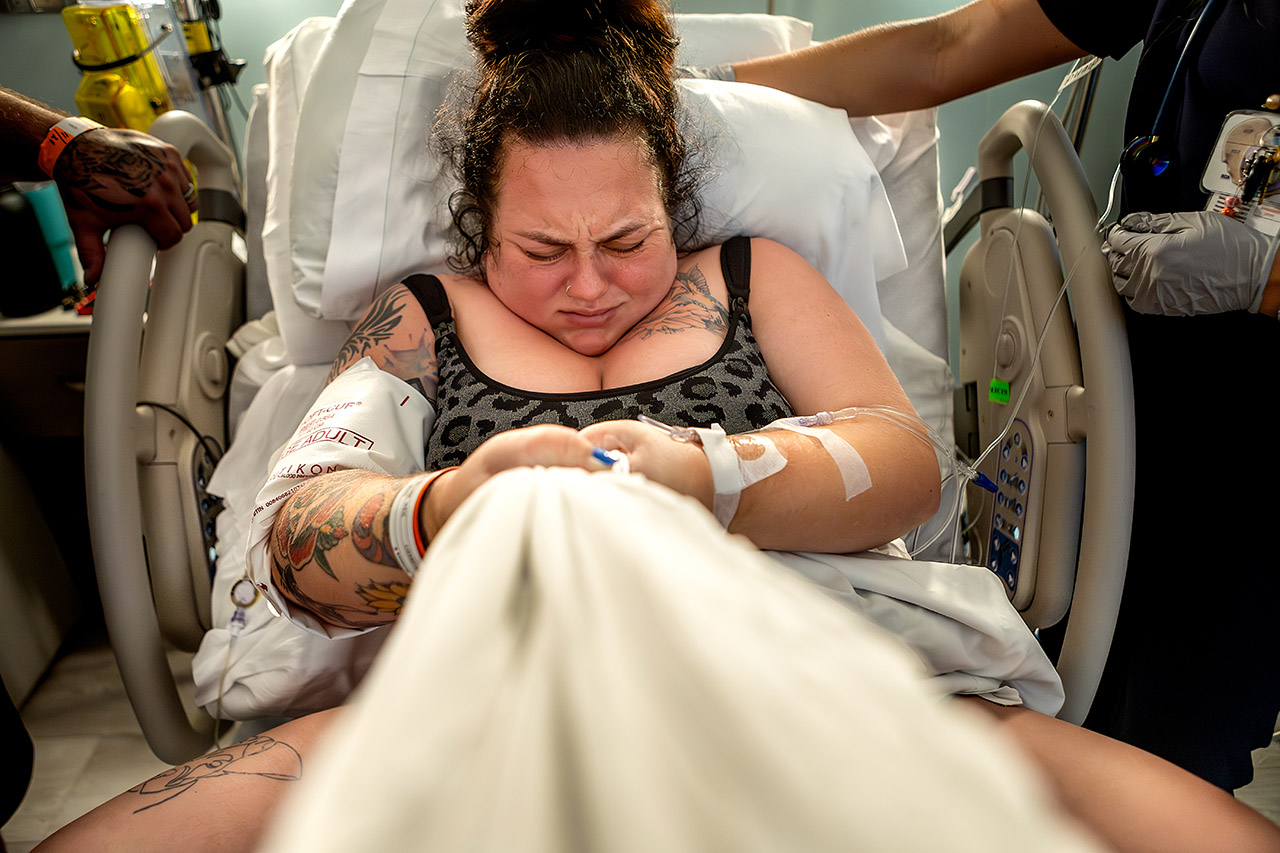
What is an Epidural?
An epidural is a form of pain relief commonly used during labor. It works by numbing the nerves that carry pain signals from the uterus and birth canal to the brain. The goal is to significantly reduce pain while allowing you to remain awake and alert for your baby’s birth.
Epidurals are administered by an anesthesiologist and are typically offered in hospital settings, including places like Saddleback Medical Center.
How is an Epidural Given?
The process usually looks like this:
- Positioning: You’ll either sit up or lie on your side while curving your back outward.
- Cleaning and numbing: The lower back is cleaned, and a local anesthetic is used to numb the skin.
- Catheter placement: A thin catheter is placed into the epidural space in your lower back. The needle is then removed, leaving only the soft catheter.
- Medication delivery: Pain-relief medication is delivered through the catheter, either continuously or in timed doses.
Once the epidural is effective, most people experience a significant reduction in contraction pain, typically within 10–20 minutes.

What Does an Epidural Feel Like?
People experience epidurals differently, but most report:
- Strong pain relief from contractions
- Pressure sensations still present
- Reduced sensation from the waist down
- Loss of the ability to walk (temporary)
- Legs feeling heavy, warm, or tingly
Many people can still feel contractions without the sharp pain, which can make labor feel more manageable and less exhausting.

Benefits of an Epidural
Epidurals can be a helpful tool for many birthing parents, especially when labor is long or intense. Benefits may include:
- Significant pain relief
- Ability to rest or sleep during labor
- Reduced stress and tension
- Helpful in certain medical situations
- Can make cervical exams or procedures more comfortable
For some, choosing an epidural allows them to stay present, calm, and emotionally grounded during birth.

Things to Consider
While epidurals are generally very safe, it’s important to understand possible trade-offs:
- Reduced mobility during labor
- Pushing stage may be longer
- Possible drop in blood pressure
- Temporary itching, shivering, or numbness
- Increased need for additional interventions in some cases
Having a supportive care team can help you adjust positions, stay comfortable, and continue progressing even with limited movement.

There Is No “Right” Way to Give Birth
Whether someone chooses an epidural, plans to avoid medication, or decides in the moment, what matters most is feeling informed, respected, and supported.
Hearing from returning clients—like my wonderful 2024 client expecting again in 2025—reinforces how personal and powerful birth choices are. When someone feels heard and cared for, they trust themselves and their decisions moving forward.