Finding Meaning in the Birth You Didn’t Expect
Maybe you picture labor beginning quietly at home, the lights dimmed, your favorite music playing as you breathe through each contraction. Perhaps you’ve practiced your breathing, packed your hospital bag, chosen your birth team, and written a birth plan that reflects the experience you hope to have.

You’ve thought about who will be in the room, how you want to be supported, and what those first moments with your baby might look like.
And then, somewhere along the way, birth takes a different turn.
Labor doesn’t progress as expected. An induction becomes necessary. The pain is more intense than you anticipated. Your provider recommends a C-section. Or your baby arrives and needs specialized care in the NICU before you can hold them.
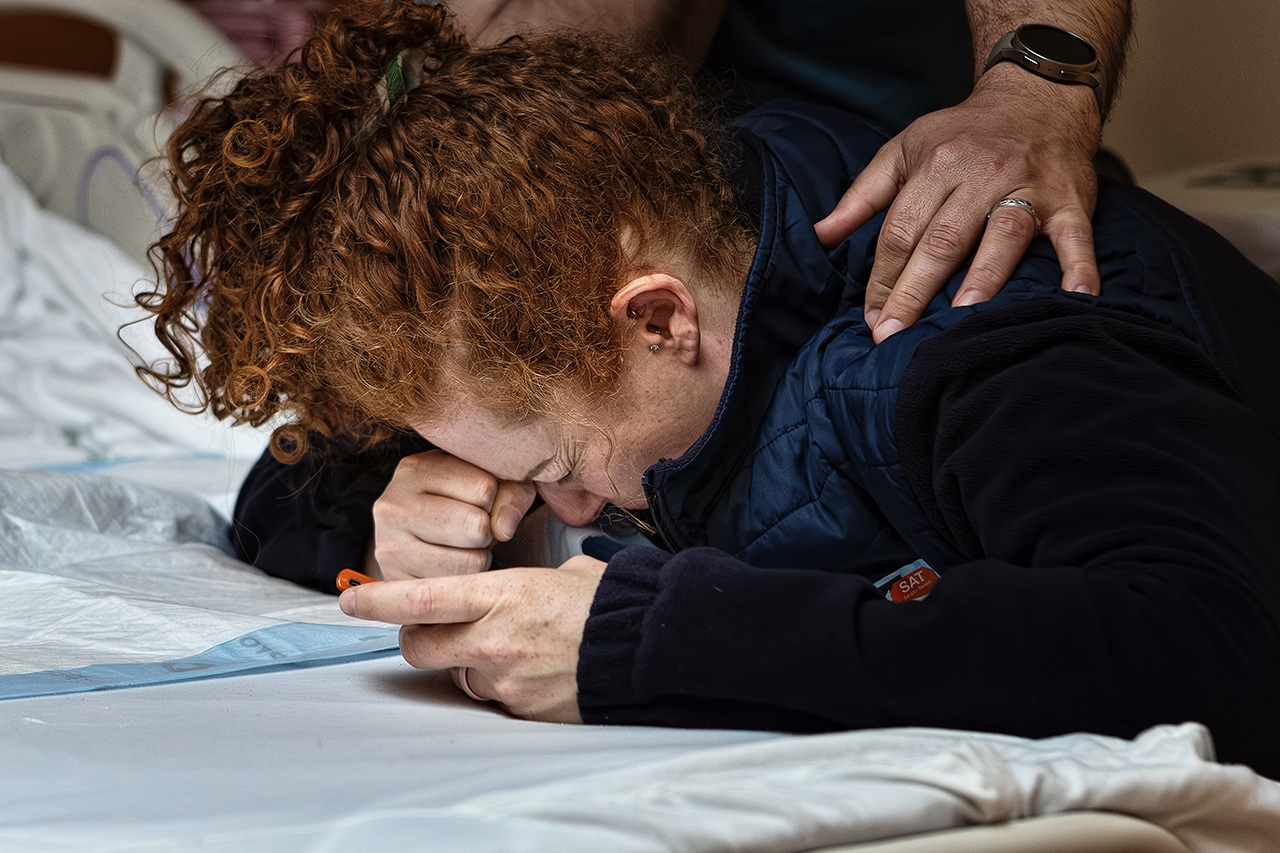
Suddenly, the birth you prepared for looks nothing like the birth you’re experiencing.
If you’re pregnant and wondering what happens when things don’t go according to plan, I want you to know something important: Your birth story doesn’t have to go according to plan to be worthy of being remembered.
And you don’t have to pretend that everything happened the way you wanted it to for your experience to matter.
When Your Birth Plan Changes

A birth plan is a wonderful tool. It helps you communicate your preferences, understand your options, and feel more involved in decisions about your care.
But birth is not always predictable.
Sometimes labor needs a little help getting started, and an induction becomes part of the plan. Sometimes hours of labor lead to an unexpected C-section. Sometimes a planned vaginal birth becomes a surgical birth because that’s the safest option for you or your baby.
And sometimes the decisions happen so quickly that you barely have time to process what is happening.
You may feel relieved that you and your baby are receiving the care you need while also feeling disappointed, frightened, or heartbroken that things unfolded differently.
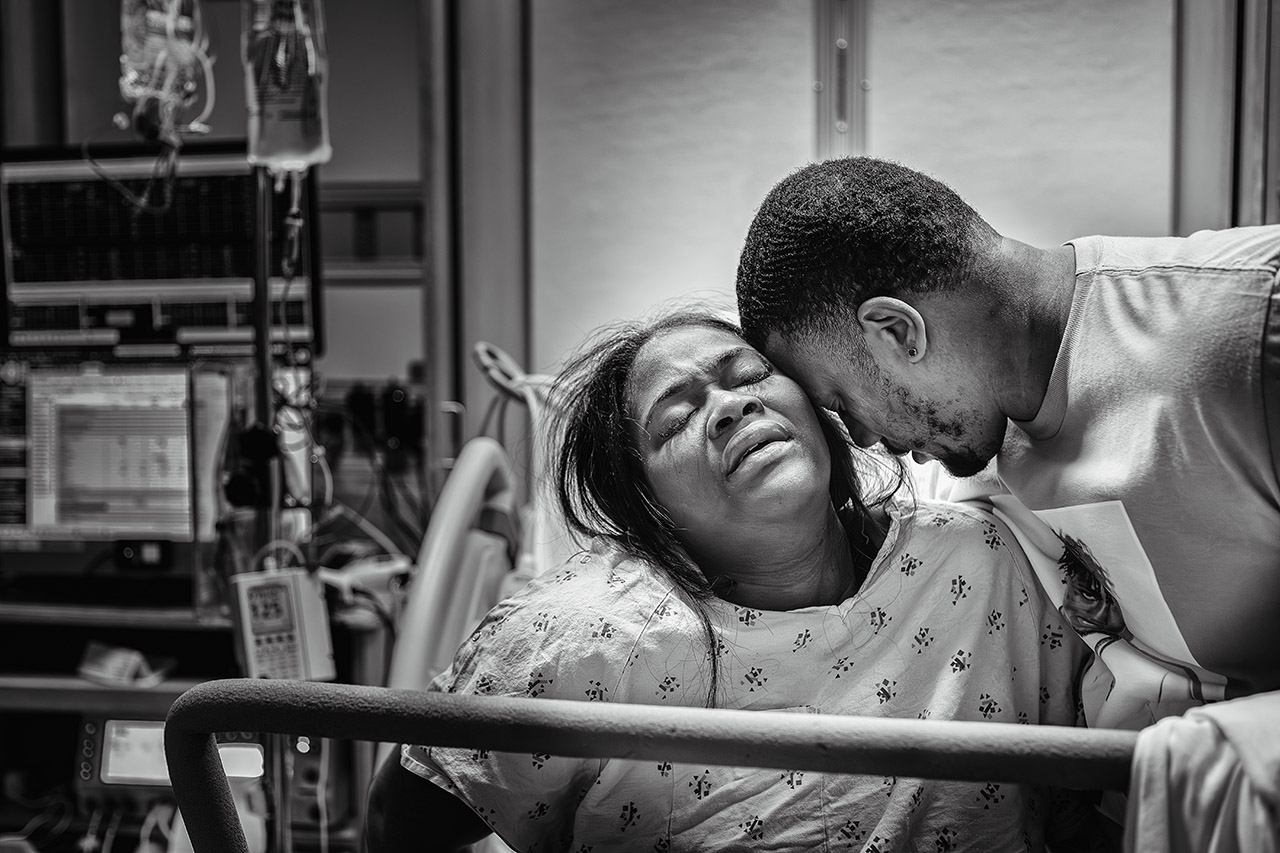
Those feelings can exist together.
You can be grateful for the medical team that helped bring your baby safely into the world and still grieve the experience you hoped to have. You can love your baby beyond words and still need time to make sense of your birth.
One feeling doesn’t cancel out another.
If your birth plan changes, you haven’t failed. Your body hasn’t failed you. And you haven’t done anything wrong.
You are a person experiencing one of life’s most profound and vulnerable moments, and you deserve compassion throughout it.
An Unexpected C-Section Is Still Your Birth Story

For some mothers, the thought of an unexpected C-section brings up fears they haven’t fully expressed.
Maybe you imagined pushing your baby into the world. Perhaps you hoped for immediate skin-to-skin contact or pictured your partner announcing the baby’s arrival while you reached for your newborn.
Instead, you find yourself in an operating room, surrounded by bright lights, unfamiliar sounds, and a team of medical professionals moving quickly around you.
You might feel frightened. You might feel numb. You might even feel relieved that the uncertainty of labor is finally over.
Your first moments with your baby might happen differently, too. Perhaps your baby is briefly placed near your face, or your partner gets to hold them first. Perhaps your baby needs additional care before you can see or touch them.
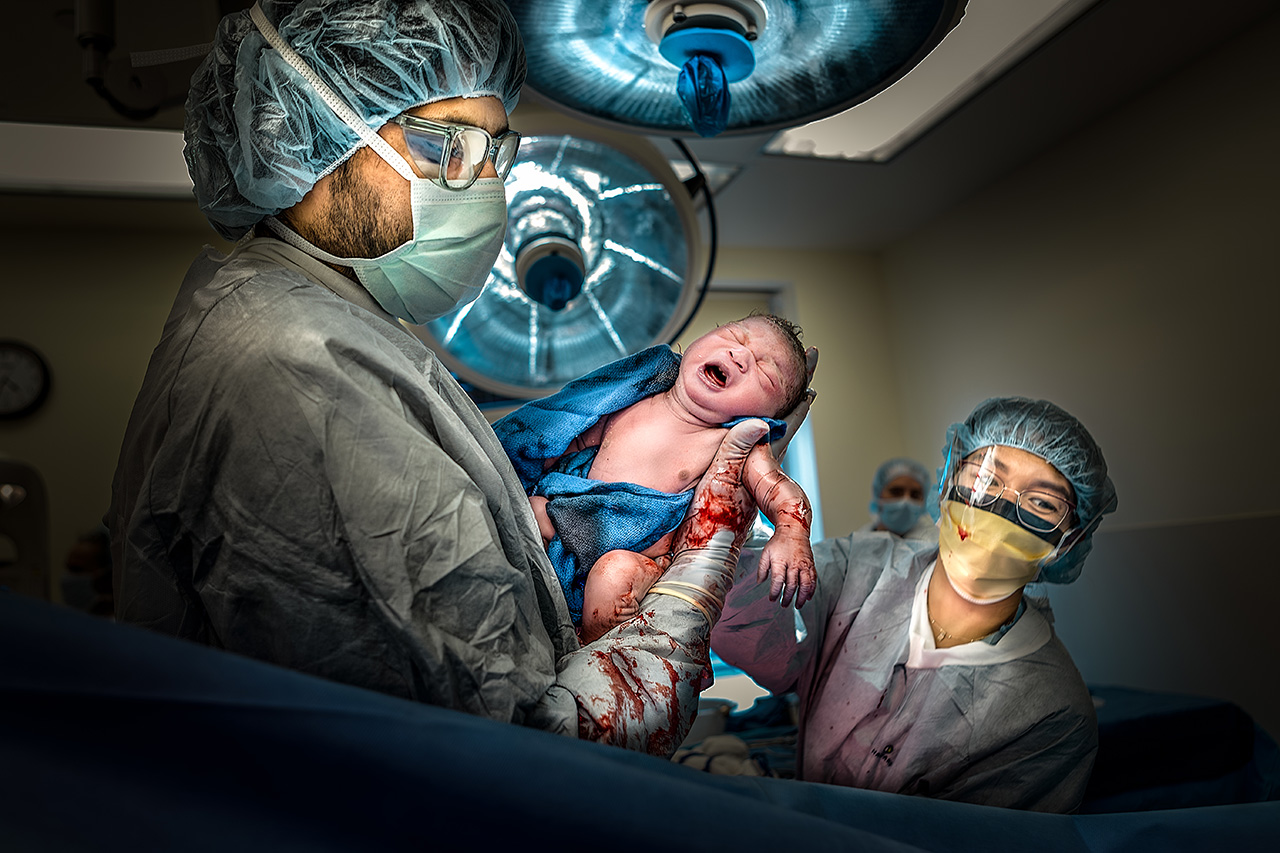
These moments deserve to be acknowledged, too.
A C-section doesn’t make your birth less meaningful. It doesn’t make you less of a mother, and it doesn’t diminish what you went through to meet your child.
Your birth story includes every part of that experience: the waiting, the uncertainty, the decisions, the people who cared for you, and the moment your baby finally arrived.
You deserve to have your story told with tenderness, whatever shape it takes.
When Your Baby Needs the NICU
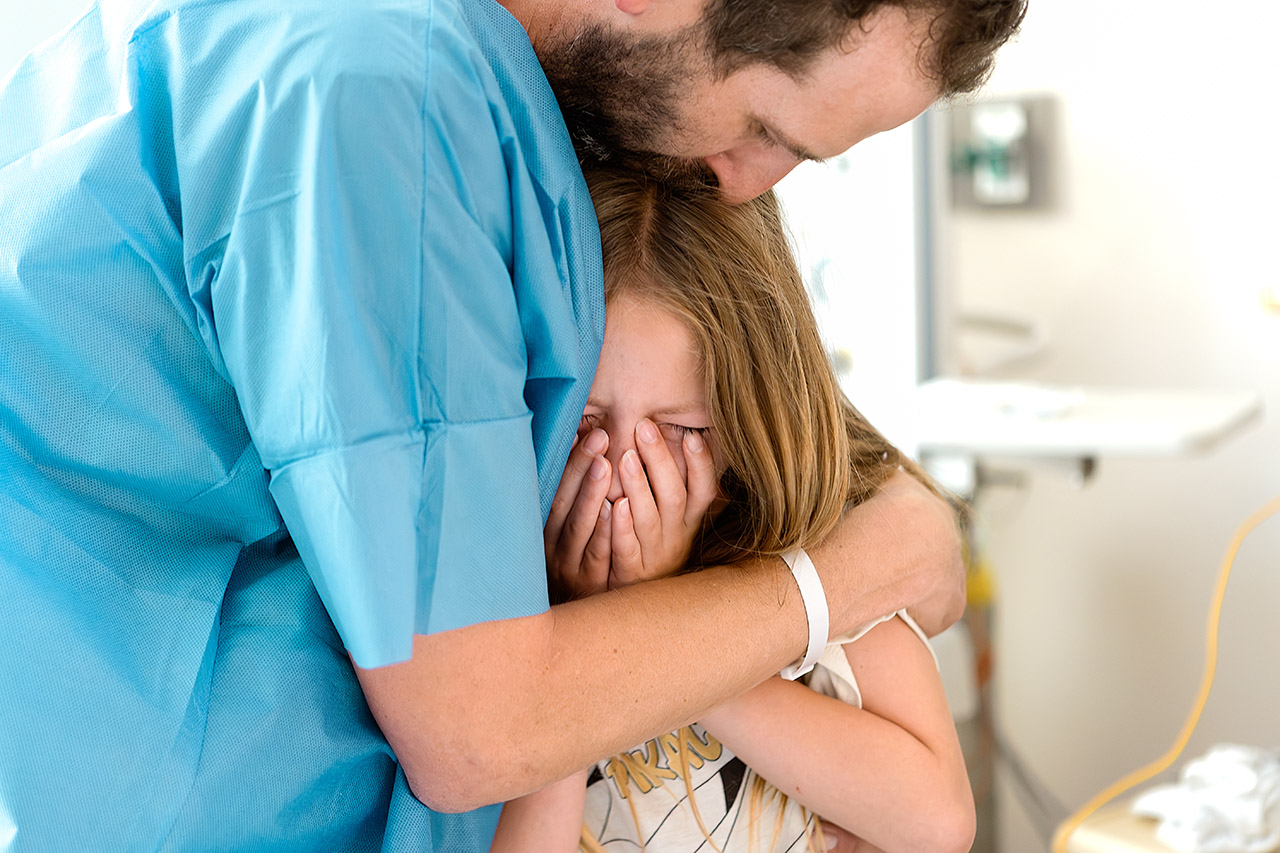
Sometimes the hardest part of birth isn’t the labor or delivery itself. It’s what happens afterward.
You may have imagined holding your baby against your chest, memorizing every tiny feature, and spending those first precious hours getting to know each other.
Instead, your baby may need specialized care in the neonatal intensive care unit (NICU).
The room you imagined sharing with your newborn may feel impossibly quiet. Your arms may feel empty. You may find yourself watching monitors, listening for updates, or trying to understand medical information while running on very little sleep.
Other parents might be posting photographs of their babies nestled against their chests while you’re waiting for permission to touch your own.
That experience can be lonely in ways that are difficult to explain. This was my personal experience. I never saw my son after my cesarean birth. He was rushed off to the NICU. It was a full 24 hours before I ever saw him. This can be very scary. Very lonely.
If this is your story, please know that you do not have to minimize your feelings because your baby is receiving care. You can be thankful for the people helping your child and still ache for the moments you thought you would have.
You can celebrate progress and still have difficult days.
And if your baby needs time in the NICU, your story hasn’t stopped. It is unfolding differently, one moment at a time.
Sometimes the meaningful moments are not the ones we originally imagined. They might be the first time you touch your baby’s hand through an incubator, the first time you hold them, or the first time you hear their cry without the sound of medical equipment surrounding you.
Those moments matter, too.
You Are Allowed to Grieve the Birth You Imagined

There is a lot of pressure on new mothers to focus on the positive.
At times, people may say things like, “At least the baby is healthy,” or “All that matters is that you’re both okay.”
These words are often offered with love. And, of course, your baby’s health and your own well-being matter enormously.
But those things can matter while your feelings about the birth matter, too.
You might be disappointed that you didn’t get the unmedicated birth you prepared for. You might feel shaken by an emergency. You might need to talk through what happened or understand why certain decisions were made.
You might not feel ready to celebrate your birth story right away.
That’s okay.
You don’t owe anyone a particular reaction to your birth. You don’t have to turn a difficult experience into an inspiring lesson before you’re ready. And you don’t have to decide how you feel about everything while you’re still recovering.
Give yourself room to process what happened. Talk with your care team if you have questions about your medical experience. If your feelings are overwhelming, persistent, or interfering with daily life, consider reaching out to a postpartum mental health professional.
You deserve support for the emotional experience of birth, not just the physical recovery.
How Birth Support Can Help When Things Change
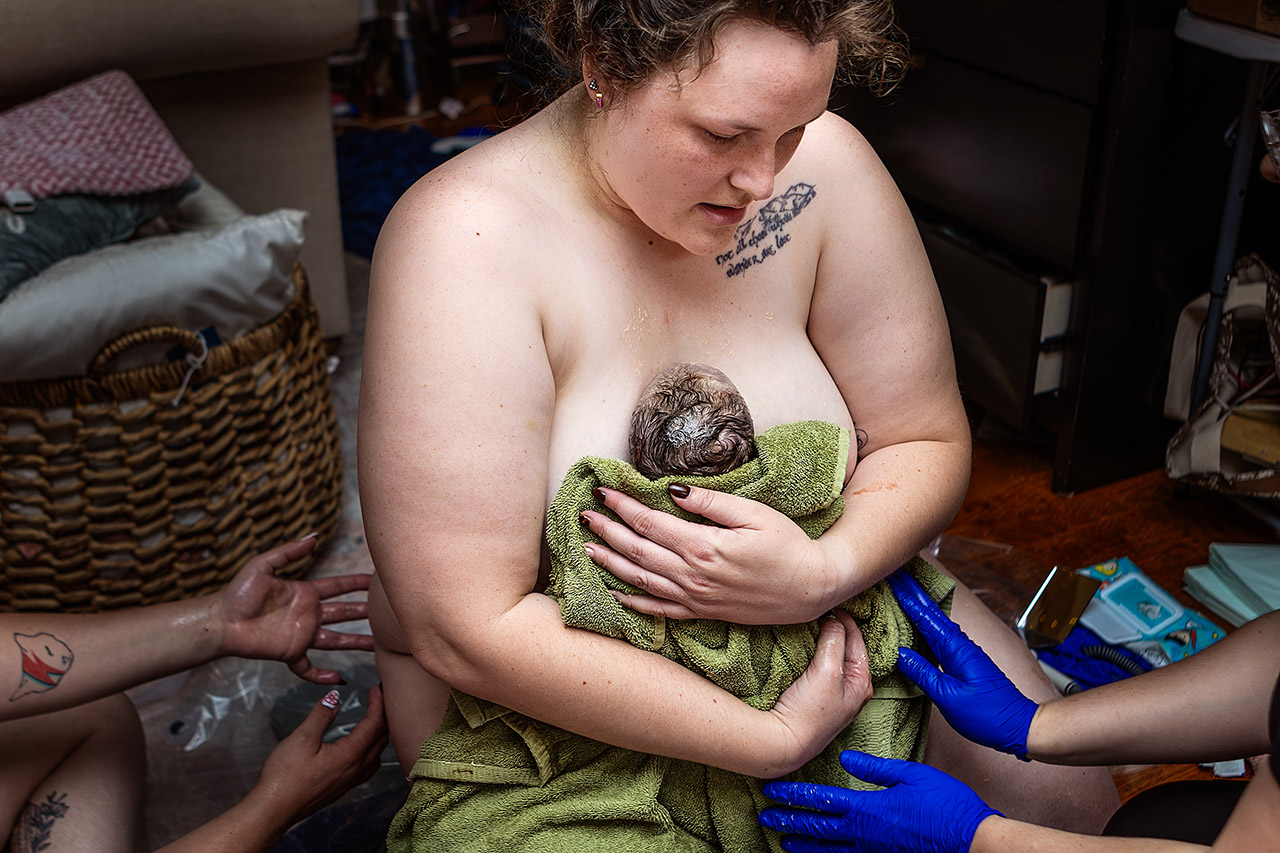
One of the reasons preparation matters so much is not because it guarantees a particular kind of birth. It is because feeling informed, supported, and respected can make a difference when circumstances change.
A doula can help you prepare for different possibilities before labor begins. That might mean discussing comfort measures, practicing relaxation techniques, talking through questions you want to ask your provider, or exploring how you would like your partner to support you.
During labor, a doula can reassure you, provide hands-on comfort when appropriate, explain information from your care team, and help you ask questions and communicate your preferences.
If your plans change, that support doesn’t suddenly become irrelevant.
You may need someone to help you slow down and process information when circumstances allow. You may need reassurance while preparing for an unexpected procedure. Or you may simply need a familiar, steady presence beside you.
A doula does not replace your medical team, make medical decisions for you, or guarantee a particular outcome. Instead, doula support helps you feel less alone as you navigate the experience you are having.
Because sometimes the most important part of a birth plan isn’t what happens.
It’s knowing that you deserve care, respect, and support throughout it.
Your Birth Doesn’t Have to Be Perfect to Be Yours
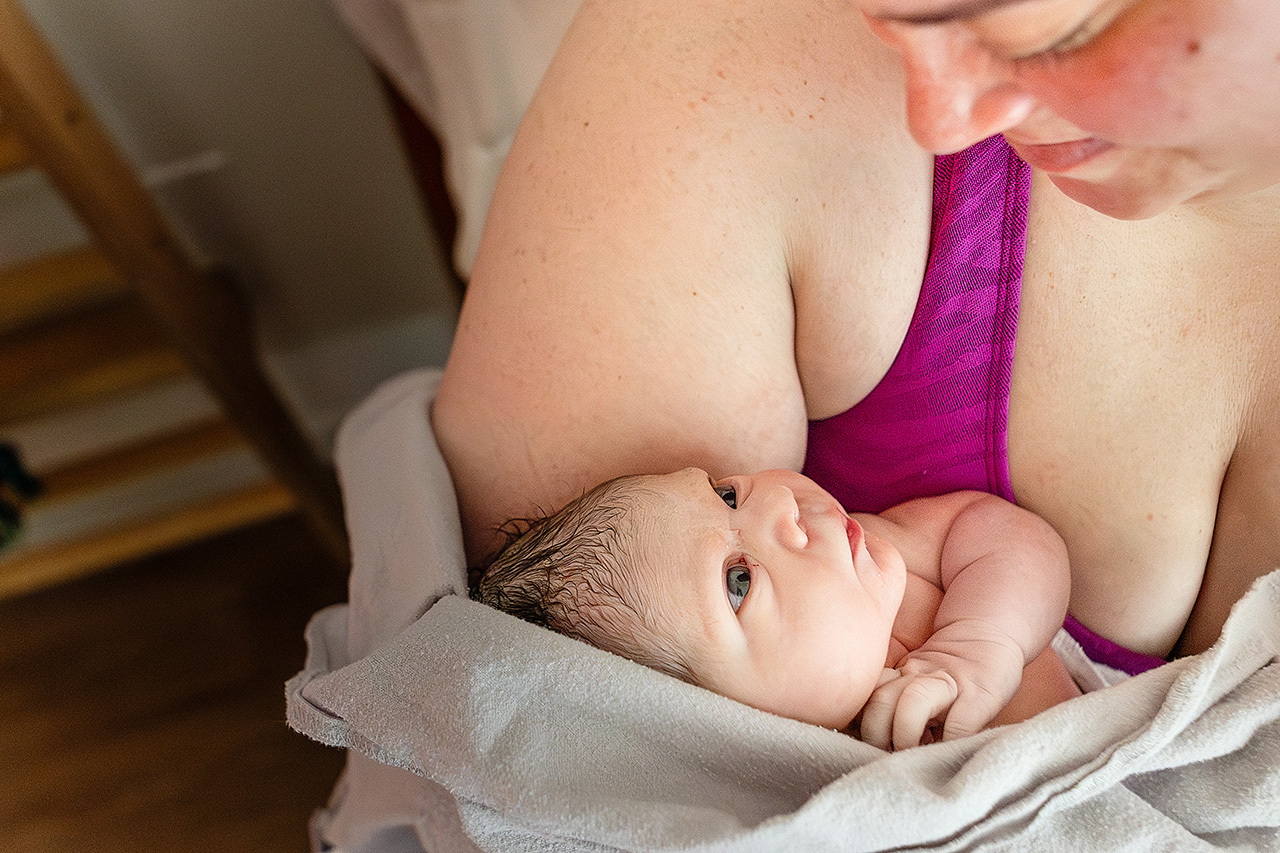
If you’re preparing to welcome a baby, I hope your birth unfolds in a way that feels safe, supported, and meaningful to you.
I hope you feel heard. I hope your questions are welcomed. I hope the people around you understand what matters to you and help you navigate the unexpected with compassion.
But if things change, I hope you remember this:
You have not failed because your birth looks different from what you planned.
You are not less of a mother because you needed medical intervention.
You are not ungrateful because you feel disappointed.
And your story does not lose its beauty, significance, or worth because it took an unexpected turn.
Your baby will only be born once. The story of how you met them belongs to you and your family, in all its complexity.
You don’t need a perfect birth story. You deserve to have your real one honored.
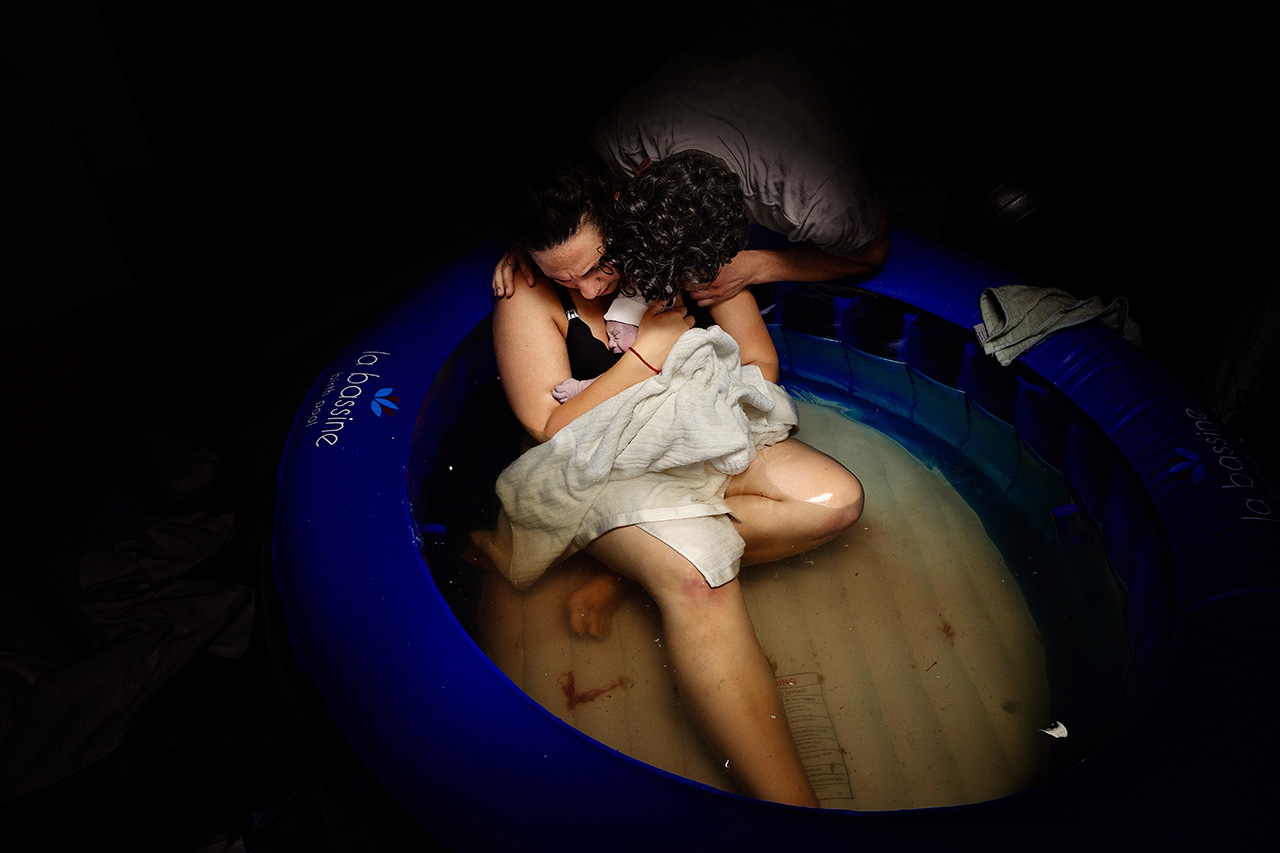
At Birth and Beauty, I offer birth photography, birth videography, and doula support for families across Los Angeles and Southern California. Whether you’re planning a home birth, a hospital birth, or a C-section, my goal is to help you feel supported and to preserve the meaningful moments of your family’s beginning, always respecting your needs and the care your birth requires.
If you’re expecting and would like to talk about what birth photography or doula support could look like for your family, I’d love to hear your story.