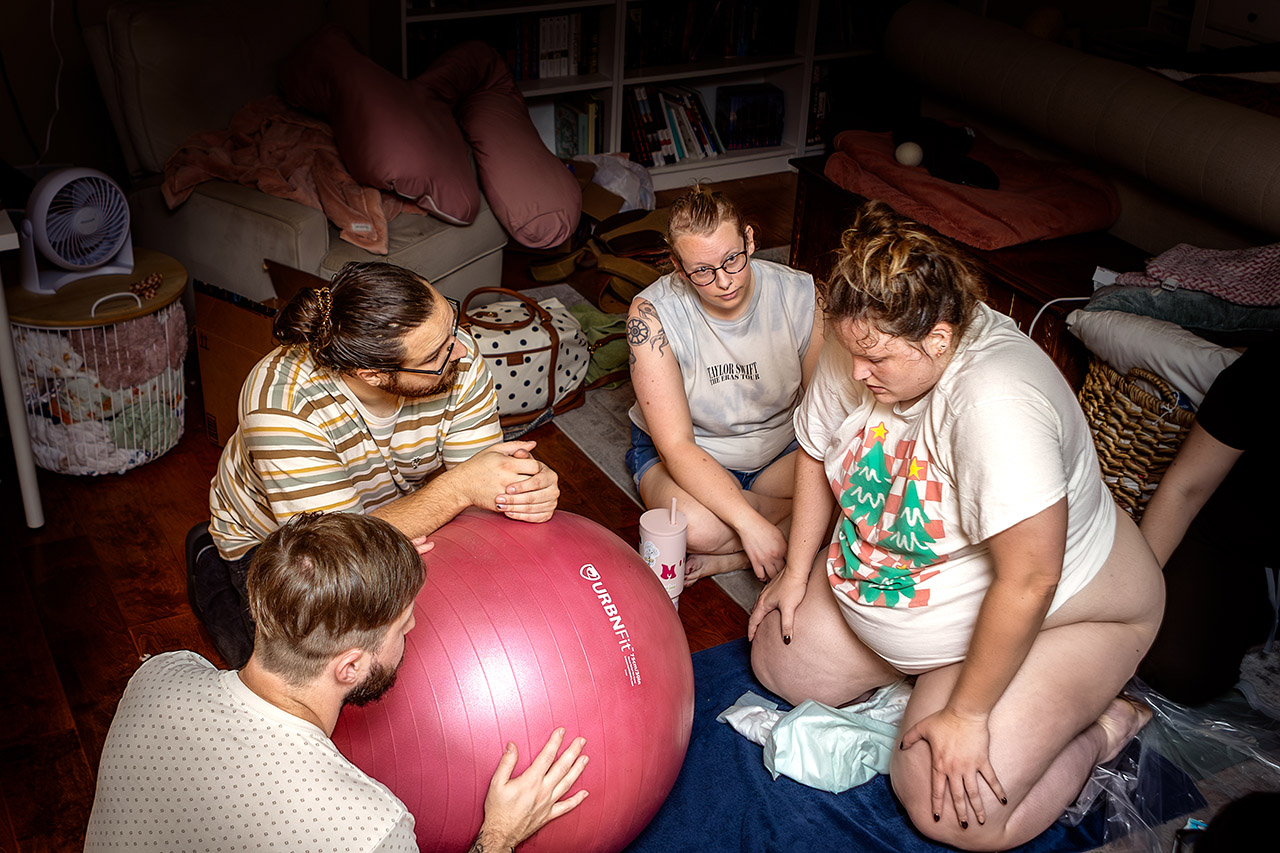
How to Create a Safe, Calm, and Supported Birth Experience
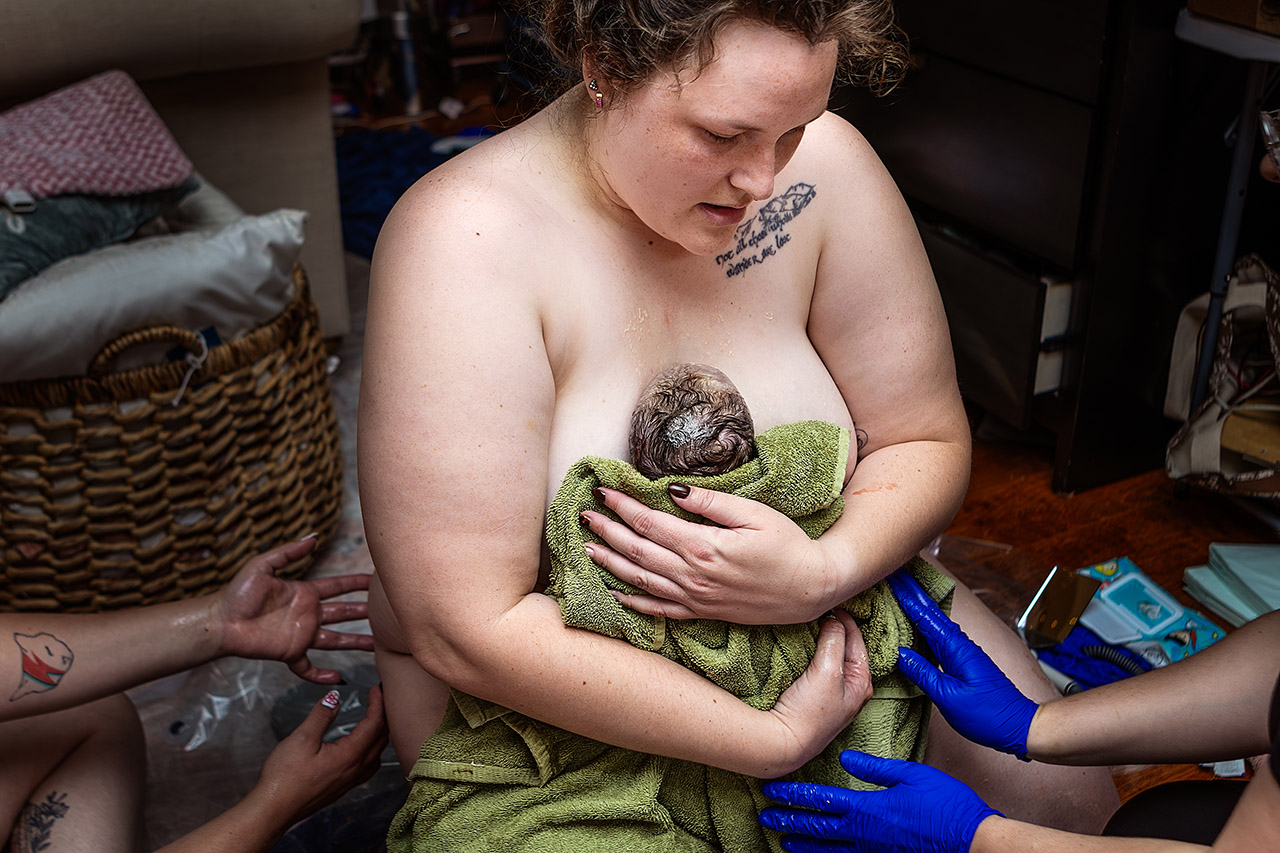
Welcoming your baby at home can feel deeply grounding and powerful. Instead of entering an unfamiliar space, you are preparing to give birth in the place where your life already happens — where you rest, laugh, cry, and feel most like yourself. Because of that, preparing for a homebirth is not only about gathering supplies. It is also about creating an environment where you feel safe enough to surrender to birth.
Many families choose homebirth because they want privacy, autonomy, and comfort. At the same time, thoughtful preparation helps transform your home into a space that supports both the emotional and physical intensity of labor.

Building Your Homebirth Support Team
First, consider who you want surrounding you during birth. The people in your space often shape how safe and supported you feel.
Your team might include a midwife, a doula, your partner, or trusted loved ones. Before labor begins, it helps to talk openly about your hopes, fears, and preferences. When communication is clear ahead of time, it becomes easier to relax and focus inward once labor starts.
Emotional safety often supports physical progress in labor, which makes choosing the right team incredibly important.
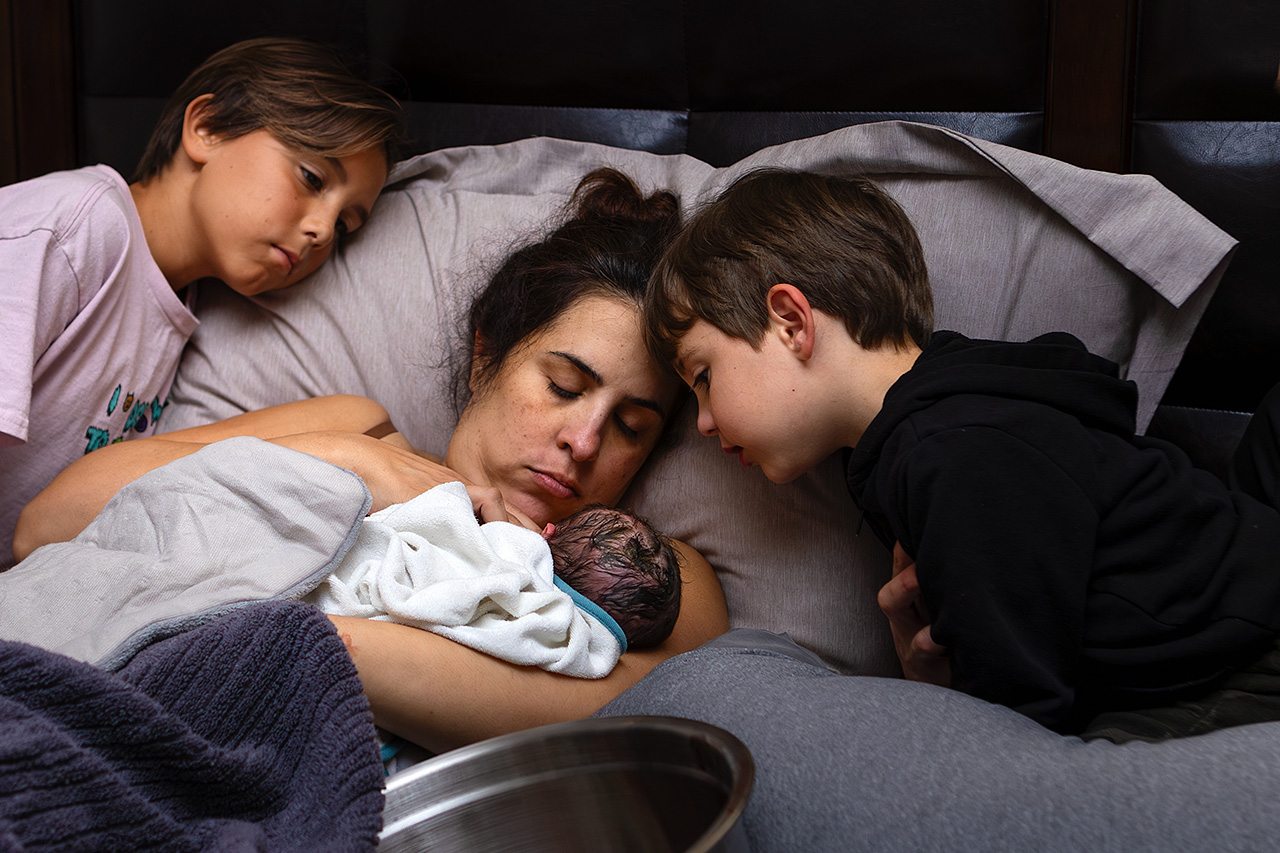
Preparing Your Homebirth Space
Rather than focusing on perfection, focus on intention. A homebirth space does not need to look like a magazine photo. Instead, it should feel calming, functional, and easy to move around in.
As you prepare, think about where you naturally relax. For some families, that may be a bedroom. For others, it might be the living room or a space with natural light.
You might include:
- Soft or dim lighting
- Music or calming sounds
- A birth pool or planned labor area
- Pillows and blankets for comfort
- Easy bathroom or shower access
Ultimately, the goal is to create a space that allows you to stay present and undisturbed.
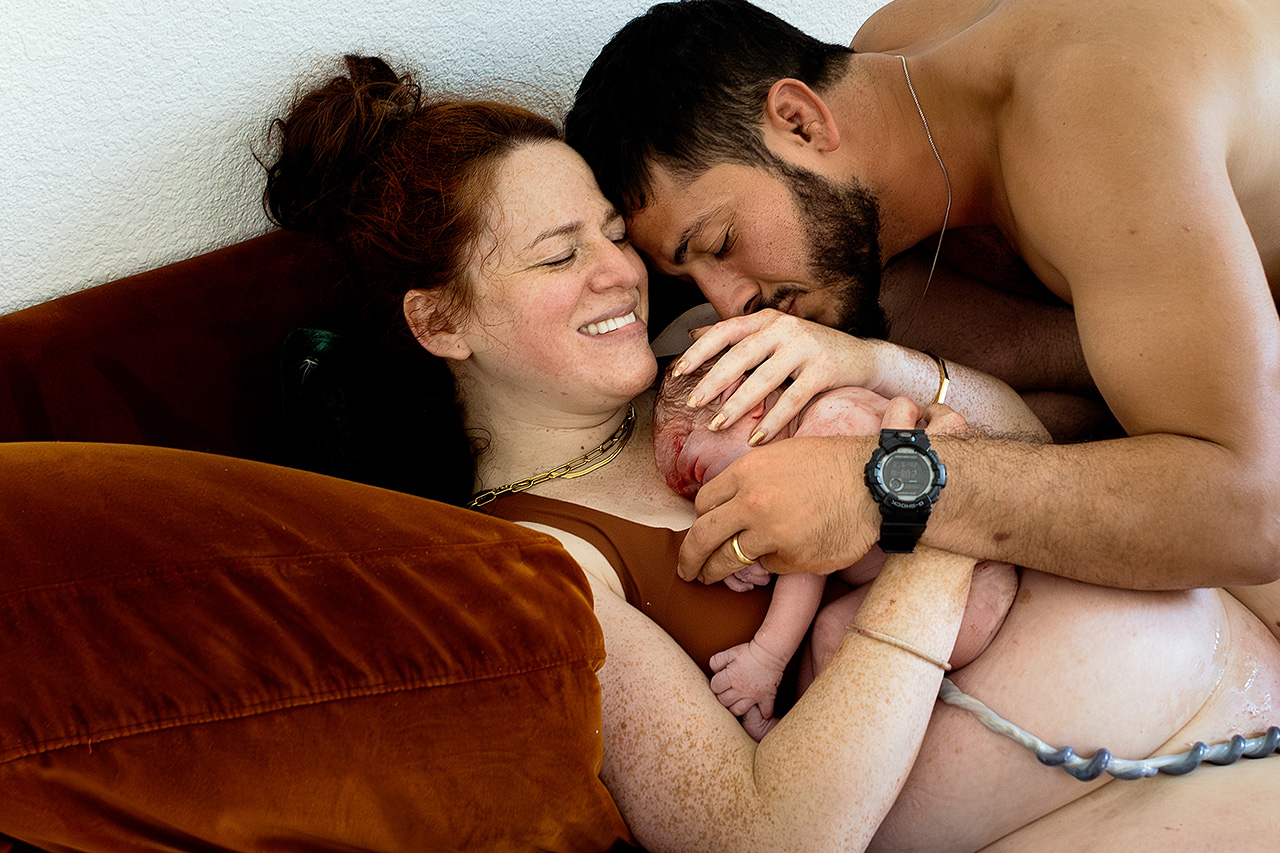
Gathering Your Homebirth Supplies
While your provider will usually give you a supply list, collecting these items can become part of your emotional preparation, too.
Most families gather things like towels, waterproof pads, comfort items, snacks, drinks, and postpartum supplies. By preparing these ahead of time, you reduce stress later and allow yourself to focus fully on labor when the time comes.
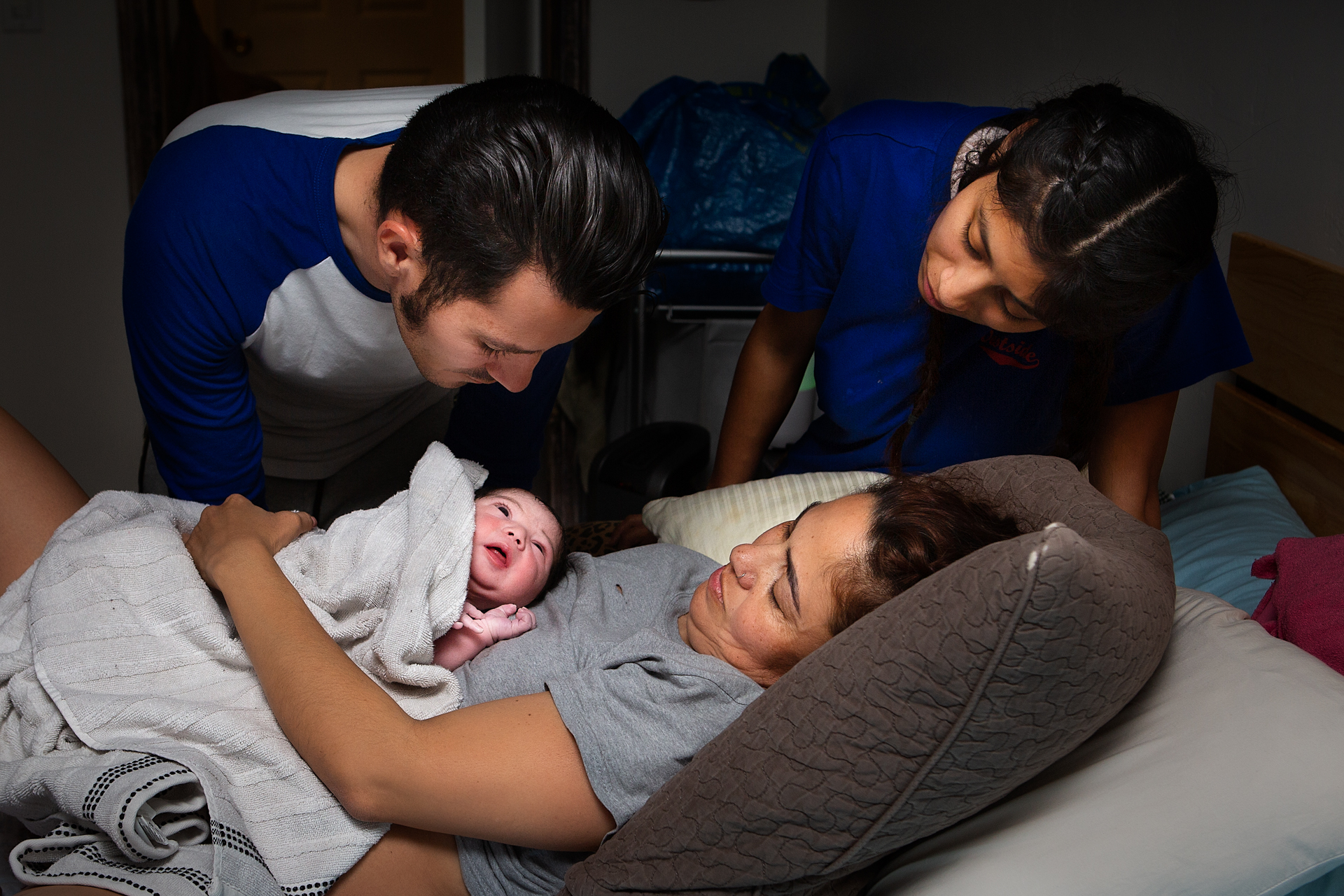
Preparing Your Mind and Body
Physical preparation matters, but emotional preparation often makes an equally big difference. Because birth is intense and unpredictable, learning coping tools ahead of time can build confidence.
For example, many parents practice breathing techniques, learn labor positions, or take childbirth education classes. In addition, talking through fears or past experiences can help release tension before labor begins.
Over time, preparation often turns fear into familiarity — and familiarity can feel empowering.

Planning for Postpartum After Homebirth
Although most focus goes to labor, postpartum planning is just as important. After birth, your body needs rest, nourishment, and support.
Before baby arrives, it helps to plan easy meals, arrange household help if possible, and set up newborn supplies. As a result, you can spend more time bonding and less time worrying about daily tasks.
Making Space for Flexibility
Even with careful homebirth preparation, birth can change direction. For that reason, emotionally preparing for multiple possibilities — including transfer if needed — can protect your overall experience.
Flexibility does not weaken a homebirth plan. Instead, it creates resilience and confidence no matter how birth unfolds.

The Heart of Preparing for a Homebirth
At its core, homebirth preparation is about trust. Trust in your body. Trust in your baby. Trust in the people supporting you.
More than anything, it is about turning your home into a place where you feel powerful, safe, and deeply cared for during one of life’s biggest transitions.
No matter where you give birth, you deserve to feel supported, respected, and heard.